Computer scientist Eiman Kanjo explains how small, low-power AI in sensors, wearables and drones can adapt locally, protect privacy and support people.
Henrietta Butler recounts Major Alexander Gordon Laing’s dangerous journey across the Sahara and examines the mysteries and mistaken beliefs surrounding his life.
Churchill and Roosevelt grew from cautious contacts into close wartime partners, balancing strategy, empire and politics through key decisions and private talks.
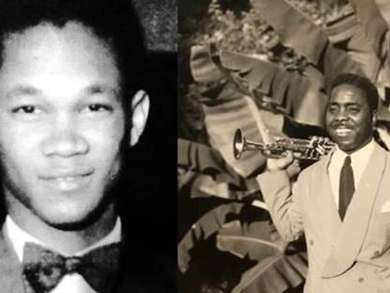
It looks at how London speech in the 1500s changed as English began to standardise, and how some lost features survive in overseas English and blues lyrics.
Experts consider how materials science could help healthcare meet rising demand while cutting carbon emissions, plastic waste and reliance on single-use items.
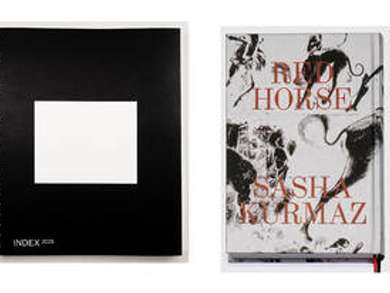
Sasha Kurmaz, Janet Delaney and Hoda Afshar present their books with publisher Lewis Chaplin, then discuss how their projects were developed and published.
It separates fact from fiction about music’s claimed powers, from ancient ideas of healing to claims that Mozart can boost intelligence, and looks at what music can really do.
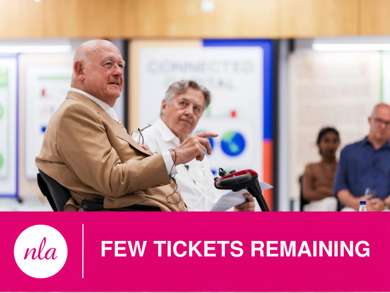
Michael Cassidy reflects on shaping the Square Mile, the Elizabeth Line and other major London projects, and discusses his plans for the NLA and new book.
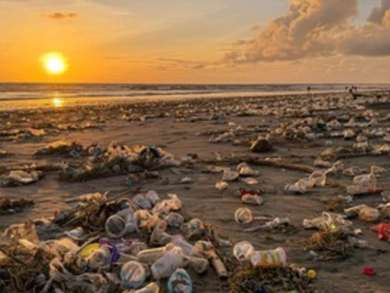
It examines how air travel, illness, water use and digital activity can harm people and nature, and how travellers might help restore what they affect.
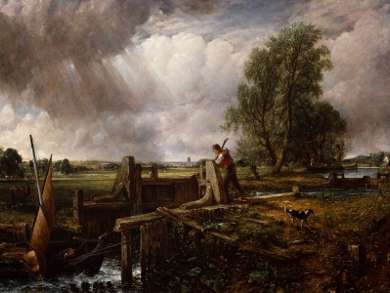
Art historian Anne Lyles discusses John Constable’s life, outdoor studies and painting methods, and how his love of landscapes clashed with the Royal Academy’s aims.
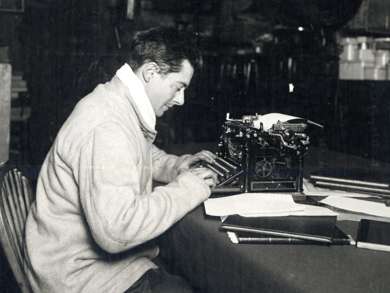
Hugh Turner shares newly revealed details from his uncle Apsley Cherry-Garrard’s marked-up books, photographs and papers from Scott’s Antarctic expedition.
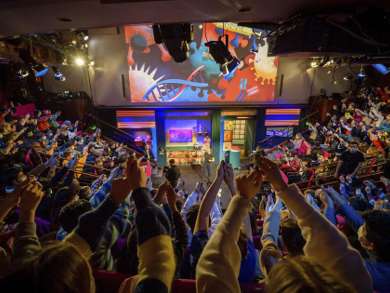
Audience members can watch the team rehearse demonstrations for three upcoming lectures, test props on set and learn how ideas develop, though things may go wrong.
Visitors can view HIV research posters, meet researchers and find health advice, while learning how science can help challenge stigma around HIV and AIDS.
A panel considers how shared designs, standard parts, digital tools and local factories could help London build greener, more affordable homes faster and to a higher standard.
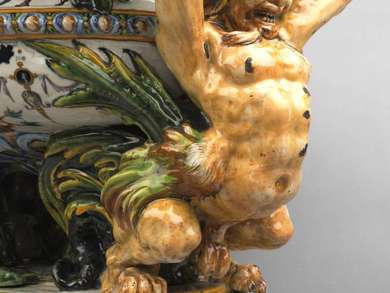
Sally Dormer shares surprising stories behind medieval objects, revealing fresh insights into the people, ideas and events of early European art and culture.
It traces how painkillers and anaesthetics were developed, how they work, why they can cause addiction or fail to ease chronic pain, and what may come next.
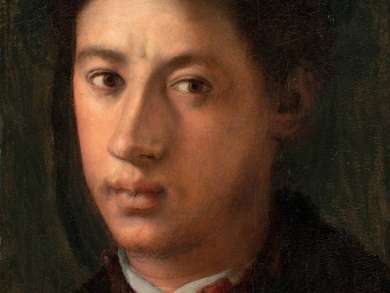
Catherine Fletcher examines Alessandro de’ Medici’s disputed origins and turbulent rule, amid republican rebels and a cousin who challenged his right to power.
Speakers will look at how UK and European buildings can measure and manage flood, heat and weather risks, adapt to change and meet new climate reporting rules.
Representatives discuss tools for improving London’s buildings and infrastructure, balancing climate goals and community needs with long-term asset value.
Questions include who should play Richard III, how race and gender are shown, and whether Shakespeare should reflect today or the world that shaped the plays.
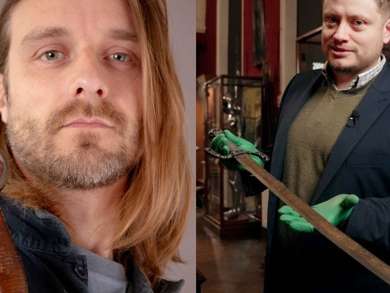
Keith Dowen and Tim Lewis discuss how historic arms and armour inspire screen weapons, from researched replicas to fantasy designs, and how they are made.
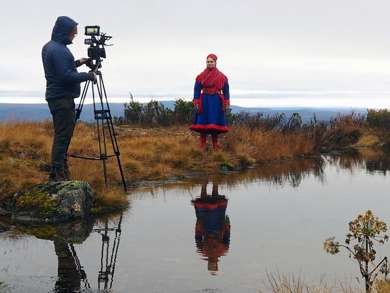
Suvi West’s film follows the return of thousands of everyday objects from Finland’s National Museum to the Sámi, amid a reckoning with colonial history.
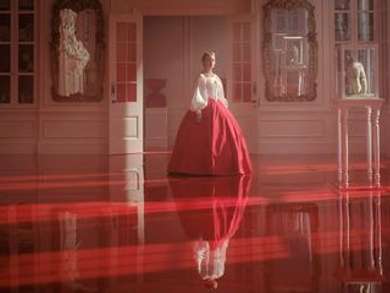
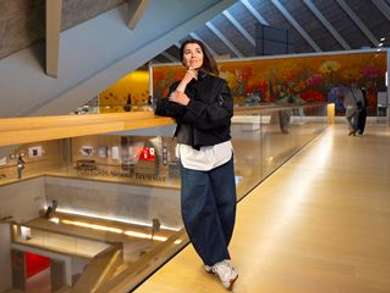
Es Devlin reflects on three decades of work across art, design, music, language and light, sharing the ideas behind her stage designs and installations.
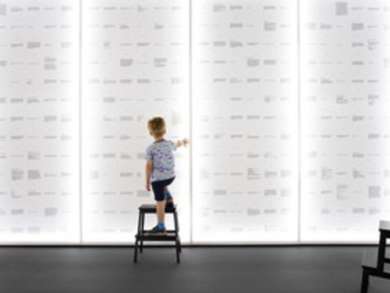
Andy Field and Beckie Darlington discuss three projects made with children worldwide, sharing their creative process and what young people teach them about how they see the world.
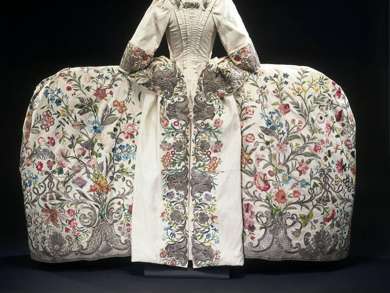
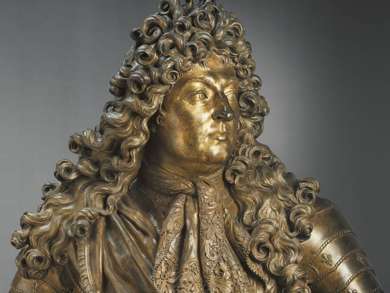
A look at how playful Rococo style took shape after Louis XIV, from ornate art and fashion to the courtly lives of Madame de Pompadour and Madame du Barry.
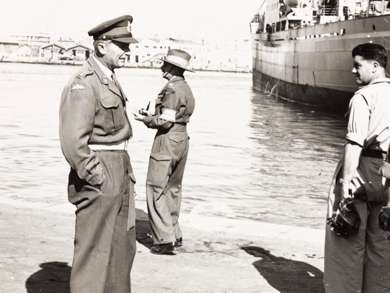
David Charlwood looks back at the 1956 Suez Crisis, the failed invasion, Eden’s resignation and how the canal’s return to Egypt marked a turning point for Britain.
It considers future medical advances such as robot surgeons and personalised vaccines, the ethical questions they raise, and threats like pandemics and untreatable infections.
It reveals the maths behind holly leaf shapes, making six-fold snowflake patterns with origami, and planning the festive table from roast potatoes to mince pies.
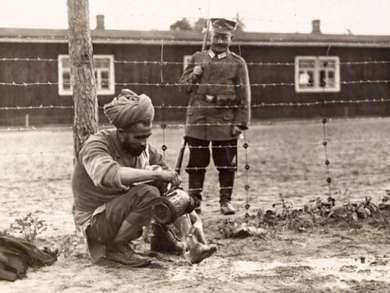
It tells how Germany held thousands of Muslim soldiers from enemy armies at Halbmondlager, using better treatment and religious freedom to try to win them over.
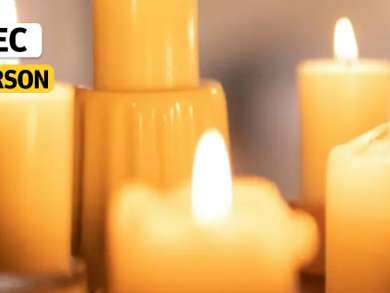
Michael Cutts and David Ricketts bring Faraday’s candle lectures together, using live demos to show how a simple candle reveals the science of the world.
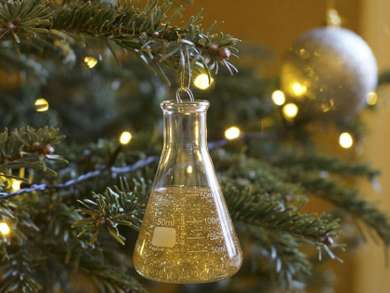
Chemist Josh Smalley reveals the science and history behind Christmas traditions with experiments on tinsel, glow sticks, silver baubles and flaming pudding.
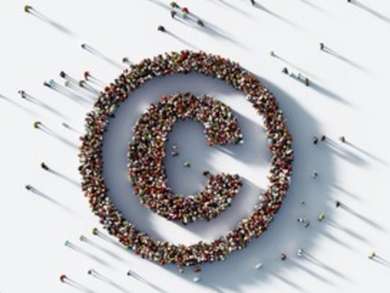
It traces copyright’s long history, the reasons for protecting creative work, how ideas differ from goods, and the mistaken belief in the lone, original author.
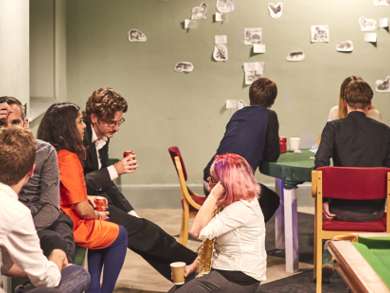
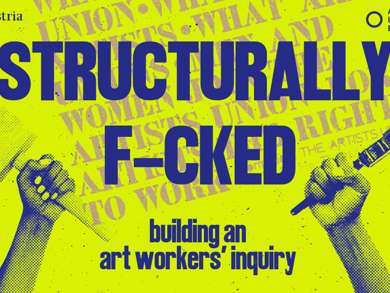
Artists share the realities of working today, using open discussion and questions to build support and find ways to challenge unfair conditions in the art world.
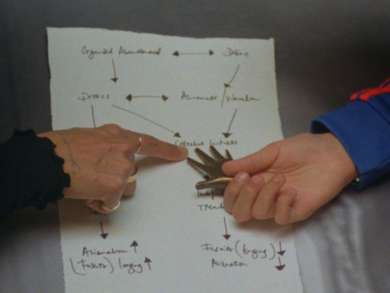
It shows how self-awareness, relationships and stress are shaped by personal stories, and offers ways to question them and face challenges with greater clarity.
Yagyu Chubei traces how Japan’s supernatural spirits have changed over the centuries and inspired artists, manga and anime, from monsters to playful creatures.