It looks at how London speech in the 1500s changed as English began to standardise, and how some lost features survive in overseas English and blues lyrics.
It separates fact from fiction about music’s claimed powers, from ancient ideas of healing to claims that Mozart can boost intelligence, and looks at what music can really do.
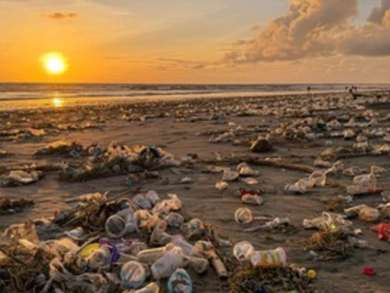
It examines how air travel, illness, water use and digital activity can harm people and nature, and how travellers might help restore what they affect.
It traces how painkillers and anaesthetics were developed, how they work, why they can cause addiction or fail to ease chronic pain, and what may come next.
Questions include who should play Richard III, how race and gender are shown, and whether Shakespeare should reflect today or the world that shaped the plays.
Andy Field and Beckie Darlington discuss three projects made with children worldwide, sharing their creative process and what young people teach them about how they see the world.
It considers future medical advances such as robot surgeons and personalised vaccines, the ethical questions they raise, and threats like pandemics and untreatable infections.
It reveals the maths behind holly leaf shapes, making six-fold snowflake patterns with origami, and planning the festive table from roast potatoes to mince pies.
It traces copyright’s long history, the reasons for protecting creative work, how ideas differ from goods, and the mistaken belief in the lone, original author.
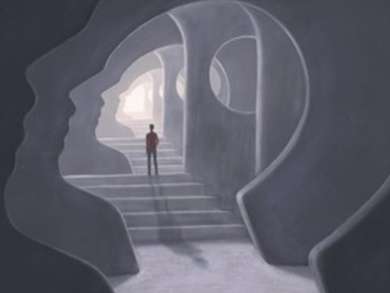
It shows how self-awareness, relationships and stress are shaped by personal stories, and offers ways to question them and face challenges with greater clarity.